When a loan application is declined or lands in a grey zone, the idea of a guarantor sometimes comes up. The principle is old and fairly simple: a third party makes a commitment to the lender. Still, it’s easy to misread. Does the guarantor repay the loan for you? Does surety mean you’re approved? In both cases, the short answer is no. Here is how personal loan surety works in a program like SureNorth’s, and what’s worth knowing before you commit.
The basic idea
Under a surety arrangement, a person or a company — the surety — commits to the lender to meet certain obligations of the borrower if the borrower does not, under the terms set out in the agreement. For the lender, that commitment may reduce part of the risk of the loan. For the borrower, it may allow the application to be looked at from a different angle.
Traditionally, the guarantor is often someone close, such as a parent or partner who agrees to back the loan. That isn’t always possible, and it isn’t always wise, because that person takes on financial responsibility of their own. In a surety program offered by a company, a business such as SureNorth plays that role instead, under an agreement with a partner financing company.
Who does what
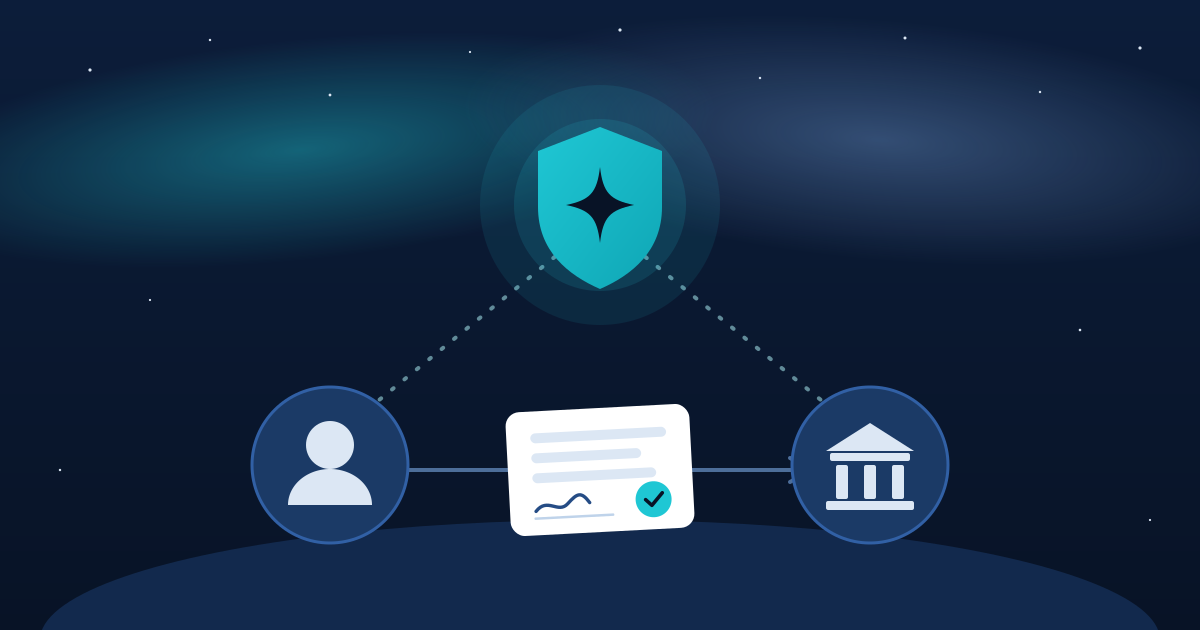
In the SureNorth model, each party keeps a distinct role:
- The consumer applies through the financing company, provides accurate information and meets the obligations in the loan agreement.
- The financing company or lender receives the application, verifies identity, assesses credit, enters into the loan agreement and administers it.
- SureNorth assesses surety eligibility under the program criteria and performs the obligations set out in the surety agreement.
SureNorth does not lend directly to consumers and does not accept applications from the public. The consumer deals with the lender or company presenting the product, and that company communicates the decision and the terms.
Who it’s designed for
Surety is mainly intended for people who have verifiable income and enough room in their budget to make the payments, but whose credit profile may limit access to traditional products. A short credit history, past difficulties or a thin file can all mean an application falls outside a lender’s usual criteria.
In those cases, surety may lead to another assessment by a participating lender. It doesn’t replace the review of repayment capacity, though: income, expenses, existing debts and overall stability remain central to the decision. Our general program criteria give a good sense of what may be reviewed.
The borrower is still responsible for the loan
This is the point most often misunderstood. Surety is a commitment made to the lender; it doesn’t release the borrower from anything. Payments must still be made in full and on time, as set out in the agreement. If the surety ever has to step in, the applicable agreements may give it recourse against the borrower. That’s why the clauses covering late payments and default deserve a careful read.
Surety and your credit history
A loan backed by surety may help build payment history, but only under certain conditions. It depends on how payments are made, on the lender’s reporting practices and on the credit bureaus’ own methods. If the account isn’t reported, on-time payments won’t show up in your credit file. Conversely, reported late payments can hurt it.
The partner should tell you whether the account is reported, to which bureaus and how often. No credit outcome is guaranteed.
Questions to ask before you sign
Before accepting an offer that includes surety, make sure you get clear answers to these questions:
- Who is the lender, and who is responsible for each product in the offer?
- What is the total cost of borrowing, including any surety-related fees?
- Is the payment realistic given my current budget?
- Will the account be reported to credit bureaus? If so, to which ones and how often?
- What happens if I pay late or miss a payment, and what remedies apply?
- Who do I contact if I have a question or a complaint?
All applicable fees should be disclosed before you enter into the agreement. If something isn’t clear, ask before you commit: a sound offer can always be explained in plain terms.
The bottom line
Personal loan surety may help some applications be assessed differently, subject to eligibility and to the lender’s and program’s criteria. It doesn’t replace repayment capacity or the obligation to pay. Understood properly, it’s a tool that may open a door; misunderstood, it can set false expectations. For questions about a specific offer, the financing company named in your documents is always your first point of contact.
This content is provided for information purposes only and does not constitute financial or legal advice. Products, criteria, costs and terms vary by lender, provider and program. Every application is subject to eligibility; approval and credit outcomes are not guaranteed. For advice on your own situation, review your offer documents or consult a qualified professional.
All articles